Why I have this hobby
I have an unusual hobby for someone who builds customer engagement programs for enterprise technology companies: a home lab with multiple servers, dozens of GPUs, and over 200TB of storage. Here's how it happened.
My wife and I moved from Russia to the US in 2001, and we wanted our future kids to grow up bilingual. Thanks to Microsoft's relocation services, we brought books, VHS tapes, and audio cassettes with us, some of the cassettes dubbed from vinyl by my mom, so our kids could hear the same fairy tales and watch the same cartoons we grew up on.
Windows Media Center to a garage server
A few years later I started digitizing all of it. It began with a PC running Windows Media Center, a discontinued version of Windows that recorded TV and organized your photos, music, and DVDs. As the collection grew, the first server showed up in our garage: an old Windows Home Server box, built from parts I found digging through Newegg. Which CPU do I need? How far can I push a RAID array before I need a real server for external storage? Those were the kinds of questions I was working through. The Xbox's Media Center Extender streamed everything to the kitchen TV, and the kids had Zunes loaded with digitized books on tape and the best of Russian rock.
The dual-socket workstation
As Microsoft walked away from its home media products, I moved everything to Plex, which gives you a self-hosted, Netflix-like experience. This is when a real server showed up: a self-built, dual-socket workstation on Intel's C602 chipset, with 256GB of RAM, eventually 18 hard drives across two RAID6 arrays for 40TB of storage, running Windows Server 2012 Datacenter.
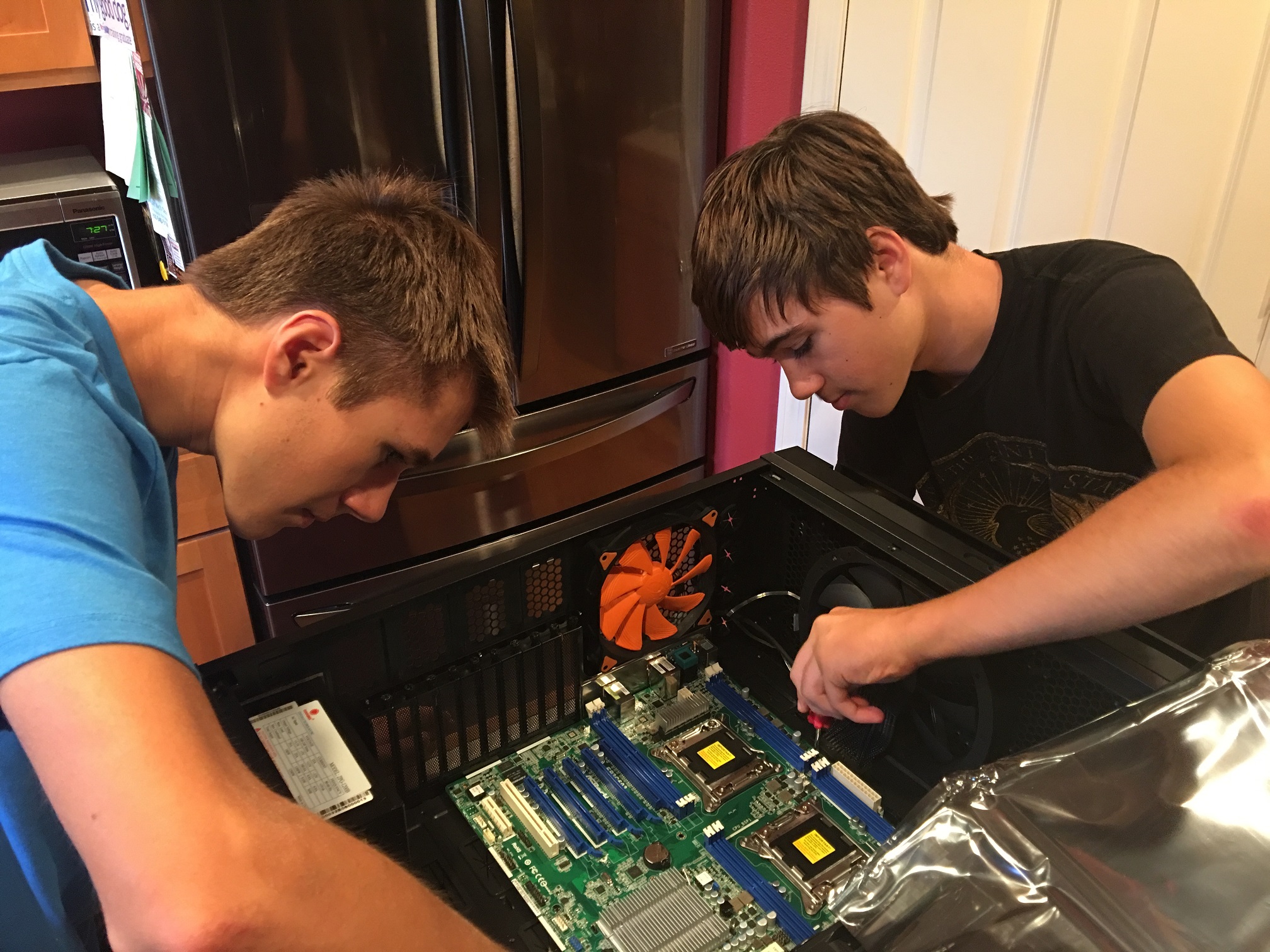
My high-schoolers helped me assemble it.
The Deluminator
By then I'd built other machines too, including a water-cooled, triple-GPU gaming rig with four monitors. I named it "Deluminator," after the device in Harry Potter that sucks the light out of a room. Its three GTX Titan Kepler GPUs drove games like Metro 2033 across three 1600x1200 monitors in Nvidia Surround, roughly 6M pixels.
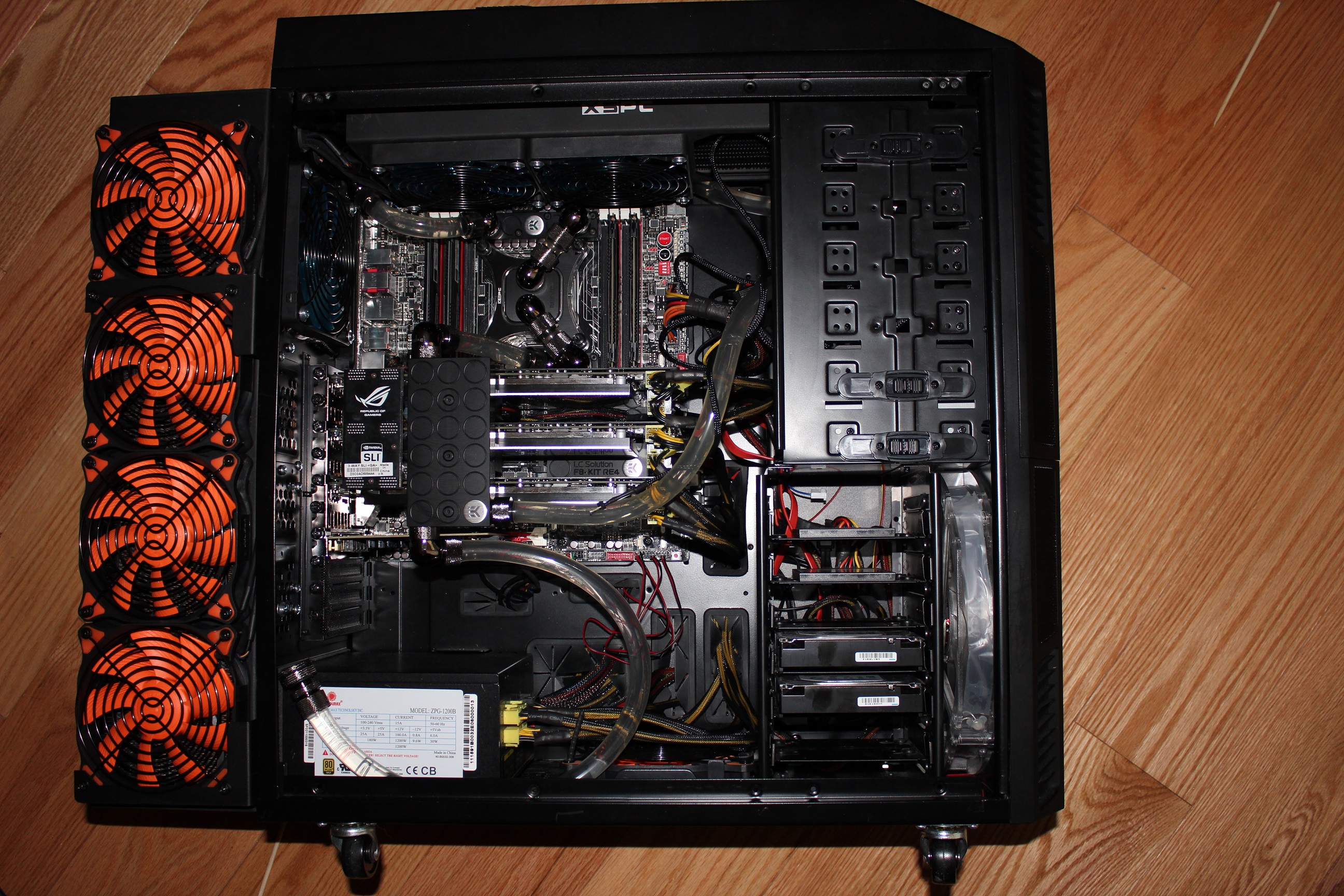
That resolution needed three powerful GPUs, and the GPUs needed liquid cooling to keep up. The Deluminator pulled 1,100 watts and dimmed the hallway lights. Good times.
Learning to virtualize
Running a real server OS on oversized hardware got me into virtualization, starting with a Linux VM for Plex under Hyper-V. I liked experimenting with how many CPU cores and how much RAM to give it, and watching the effect on performance. Soon I had several task-specific VMs on that box: a Linux VM for testing home security software, a Windows VM with dozens of CPU cores for running Handbrake on old VHS-digitized footage. Spinning up a new VM to test an idea, without touching my main desktop, was the appeal.
Outgrowing Windows
Over 5~6 years, that server got upgraded to the brim, no room left for more drives, cards, or CPUs. I also wanted some VMs to own specific hardware directly. PCIe passthrough had reportedly improved in newer Windows Server versions, but I didn't want another license upgrade, especially if I expanded to multiple hosts. That's when I found Proxmox: a free, Debian-based, Type 1 hypervisor.
What's running today
Today I run a 3-node Proxmox cluster for my high-availability VMs (networking, home automation) so they stay up even when I take a server down for maintenance.
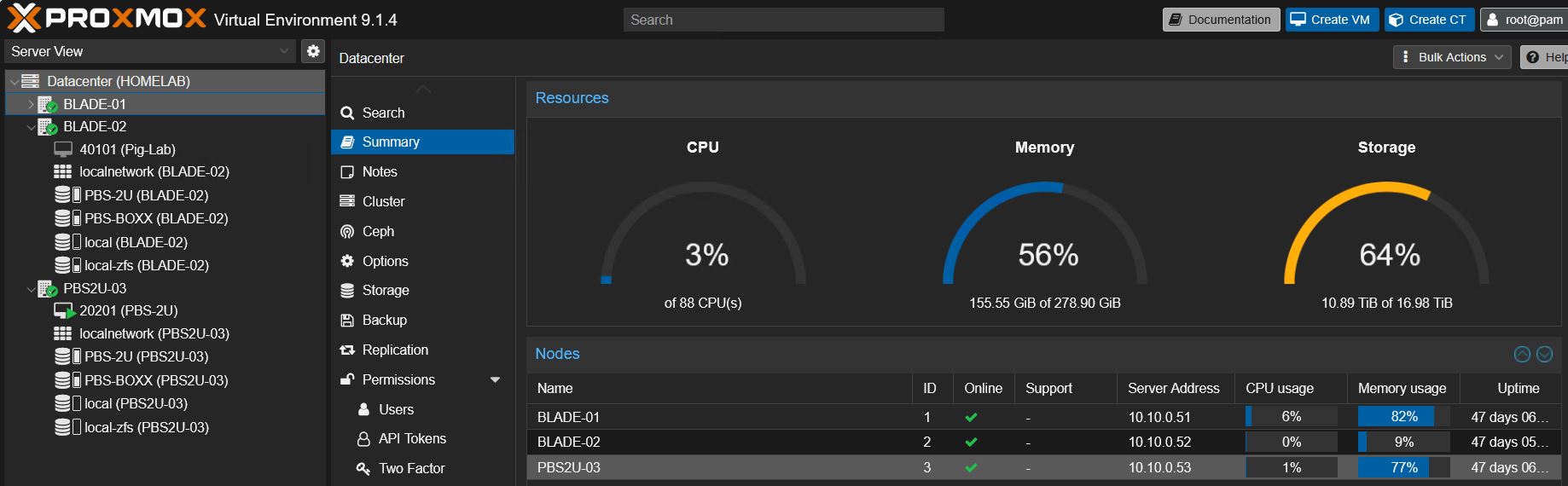
Another host runs my 100TB TrueNAS storage VM, with the disk controllers passed through directly, plus a handful of task-specific VMs like a remote desktop box and a VPN-enabled VM for testing websites. A mirror of the storage sits in a detached garage. Several more hosts run VMs with passed-through GPUs, where I experiment with self-hosted LLMs and other AI workloads.
Running LLMs at home
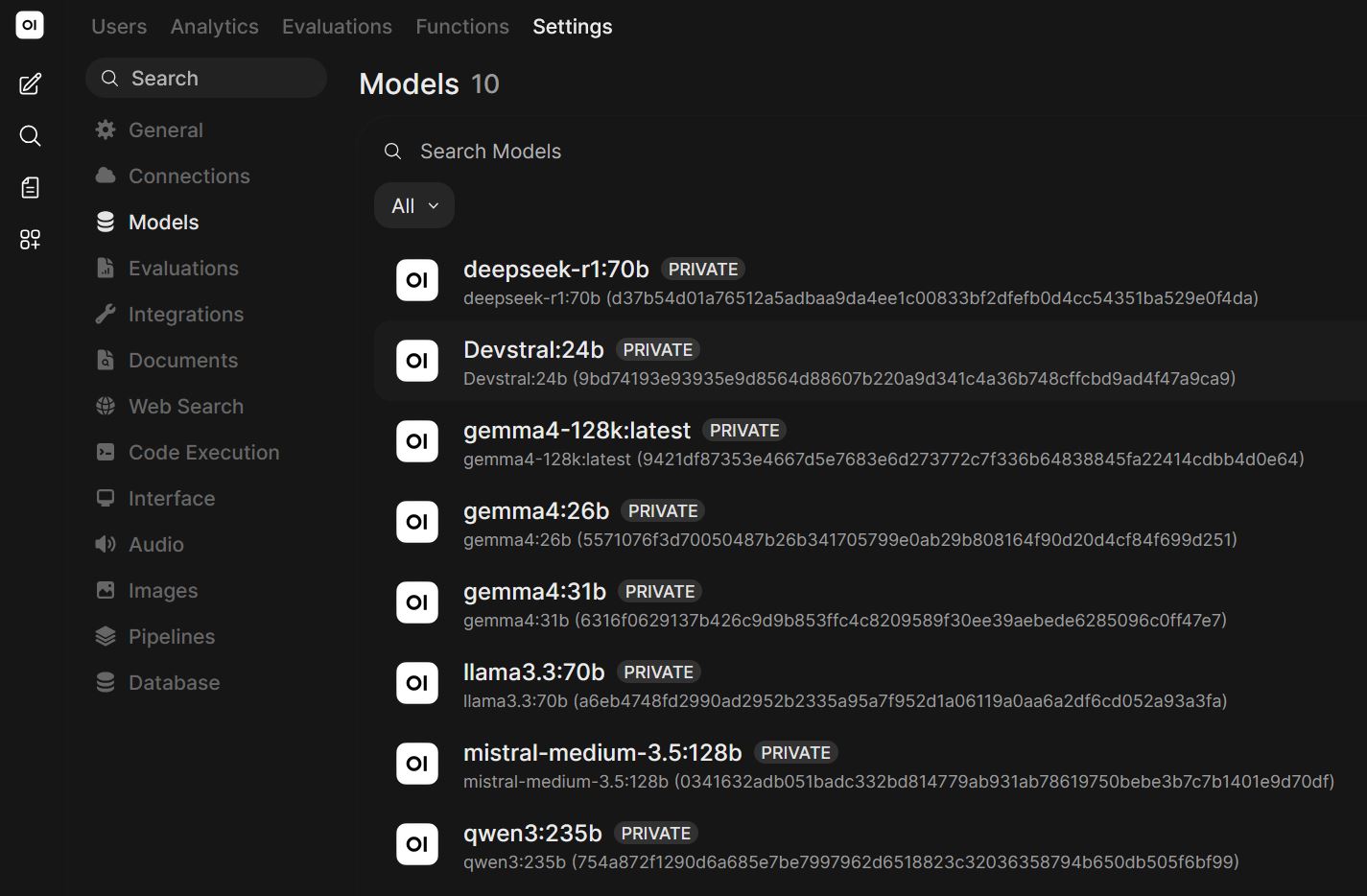
Running LLMs like gemma4:31b, llama3.3:70b, and other models locally lets me process sensitive documents I don't want to send to a frontier model like ChatGPT or Claude.
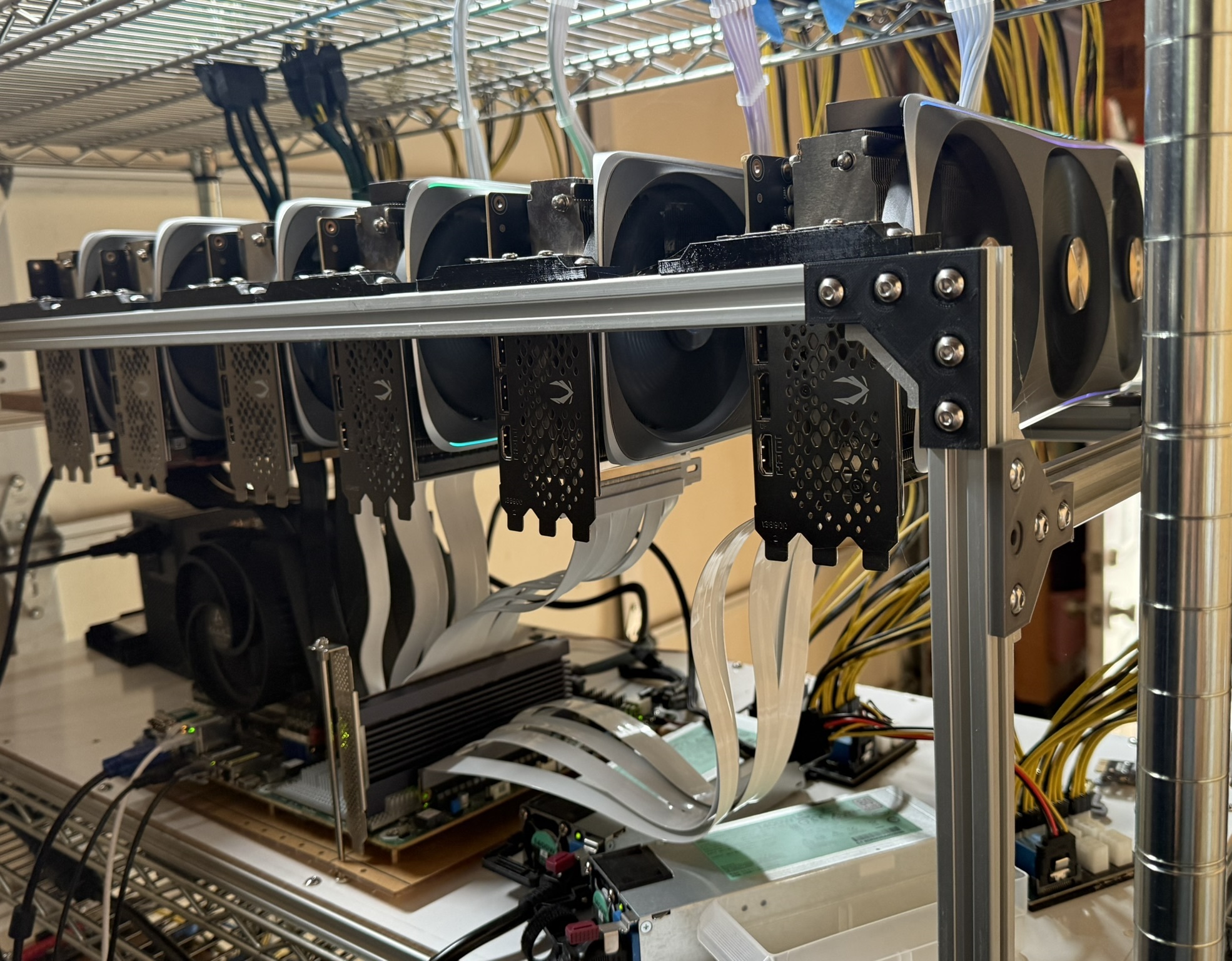
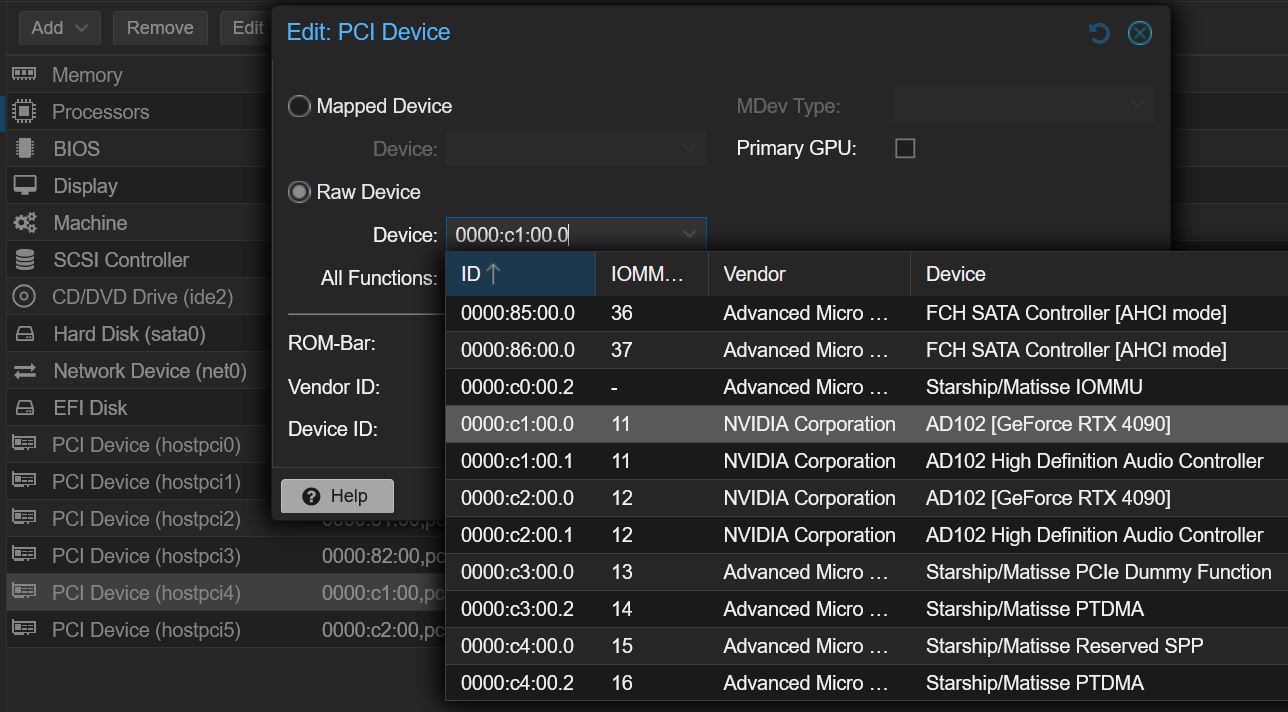
Models that size eat video memory. My Proxmox host with six RTX 4090s and a 48-core EPYC CPU lets me carve up and share resources across VMs as needed.
Restoring old family videos
With Claude Code, I built a multi-stage pipeline to upconvert our old family videos. My first digital camera shot at 320x240, 15 frames a second, full of compression artifacts.
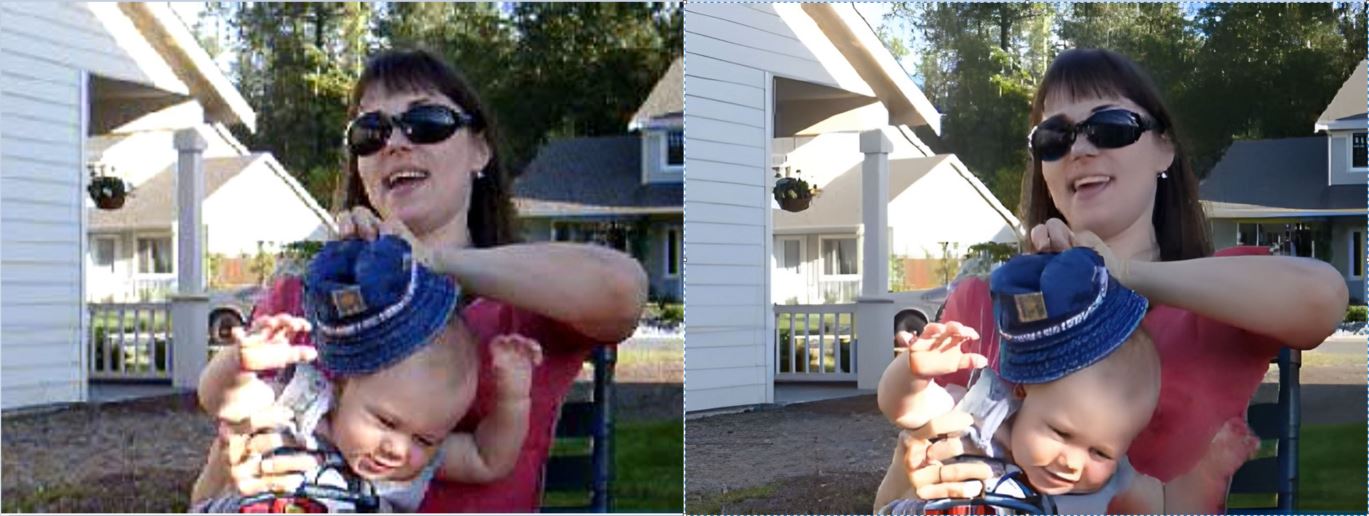
The pipeline upscales that footage to nearly 1080p at 60fps and removes the noise. I no longer have to squint to recognize my kids as toddlers.
Why it matters
Building and running this lab has been fun, and it's given my family some things we couldn't get off the shelf. It's also kept me close to the infrastructure side of AI: spinning up VMs, fighting driver issues, splitting GPU memory across workloads under real constraints. I like to actually use the products I try to get customers excited about. This lab is where I do that with AI.